Why use a Faraday bag: stop tracking, and protect your bank cards and car keys
A Faraday bag blocks every wireless signal. Your phone cannot be tracked while it is inside, and contactless cards and car keys cannot be read or relayed.
A Faraday bag is a pouch lined with layers of metal fabric. Radio signals cannot get in or out, so whatever is inside is cut off from mobile networks, Wi-Fi, Bluetooth, GPS and NFC. It is named after Michael Faraday, the scientist who discovered the effect in the 1830s.
Why your phone gives away where you are
Even when you are not using it, your phone is constantly talking:
- To mobile phone towers. Every connection is logged by your mobile network with the time and the tower, which shows roughly where you were. These records are kept for years and can be handed over or leaked.
- To Wi-Fi networks and Bluetooth devices around you. Shops, shopping centres and cities use these signals to count and recognise devices.
- To "Find My" networks. Many phones, tablets, earbuds and trackers send out Bluetooth signals that other people's devices report, even when they seem to be off.
Turning on flight mode helps, but it is a software switch: you have to trust that every radio really is off, and some features (like Bluetooth or tracking networks) can stay on. A Faraday bag is physical: no signal can pass, whatever the phone is doing.
When a Faraday bag protects your privacy
- Going somewhere you do not want logged. With your phone in the bag, the network sees it disappear and reappear, but not where you went in between.
- Meetings and sensitive conversations. A phone in a bag cannot receive a call, be activated remotely or send anything.
- Borders and travel. Combined with a clean phone (see how to travel with a clean phone), it stops your phone from connecting to anything until you choose.
- A lost or seized phone. Police and forensic teams use Faraday bags so a seized phone cannot be wiped remotely. You can use the same idea in reverse: a phone kept in a bag cannot be located or contacted.
Bank cards, passports and car keys
- Contactless bank cards use NFC to pay with a tap. A nearby reader can sometimes talk to the card through a wallet or pocket. Real-world skimming is rare, but keeping cards in a Faraday sleeve or bag removes the risk completely.
- Passports with a chip (most modern passports) can be read wirelessly at short range. A shielded sleeve keeps the chip quiet until you hand it over.
- Keyless car keys are a very real target. Thieves use a "relay attack": one device near your front door picks up your key's signal and passes it to a second device next to your car, which then unlocks and starts it. Keeping keys in a Faraday pouch at home stops this.
How to use one properly
- Close it fully. Most bags have a double roll-top or two seals. One gap is enough to let signal through.
- Test it. Put your phone inside, seal it and call the phone from another phone. It should go straight to voicemail. Test cards by holding the sealed bag against a card reader or your phone's NFC.
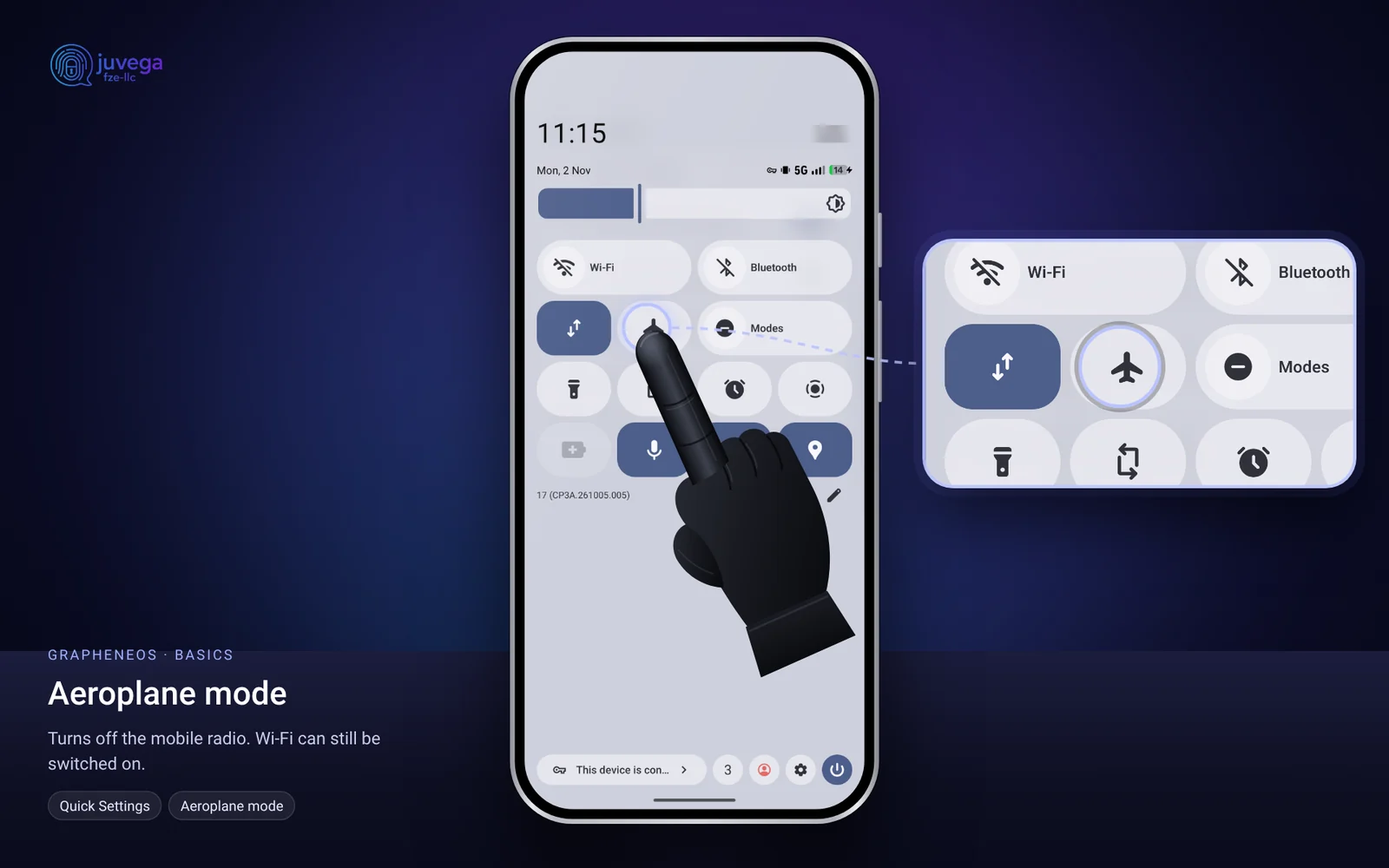
- Put the phone in flight mode as well. A phone that cannot find a signal keeps searching and drains its battery faster.
- Think about where you take it out. The moment you open the bag, the phone reconnects and the network logs that place and time. Take it out somewhere unremarkable, not at the place you wanted to keep private.
- Remember what happened before. The bag only hides what happens while the phone is inside. Your last location before you sealed it is still logged.
Choosing a bag
- A phone bag is the most useful. Choose one with a window if you want to see notifications before taking the phone out, or no window for the strongest shielding.
- Laptop and tablet bags protect larger devices, for example on a trip.
- Small sleeves are enough for bank cards, passports and car keys.
- Look for tested shielding over a wide range of frequencies, including 5G and Wi-Fi 6/7. Cheap bags often leak.
See the Faraday bags in our shop.
Comments
Loading comments…